
Cuts, lacerations, and other wounds can happen when you least expect them. When an injury requires more than a bandage, sutures provide a safe and effective way to close the wound and promote proper healing. Vagnier Healthcare Inc. offers suture services for patients ages 14 and up, providing quick treatment in a comfortable setting.
What Are Sutures?
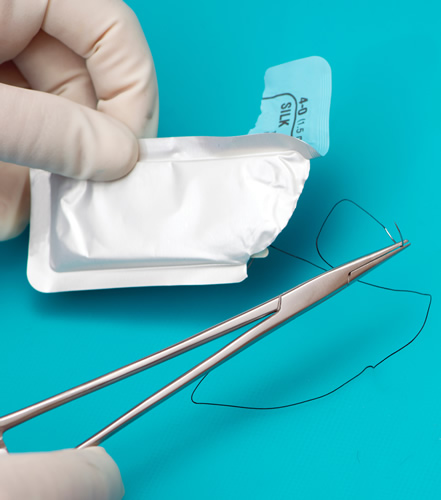
Sutures, commonly called stitches, are used to close wounds so they heal correctly. They help reduce the risk of infection, protect underlying tissue, and minimize scarring. Depending on the type of injury, sutures may be temporary or designed to dissolve as the body heals.
For many patients, getting stitches done in a primary care setting is far more convenient than visiting a busy emergency room. Our providers are trained to treat a wide range of minor to moderate wounds with care and precision.
When Are Sutures Needed?
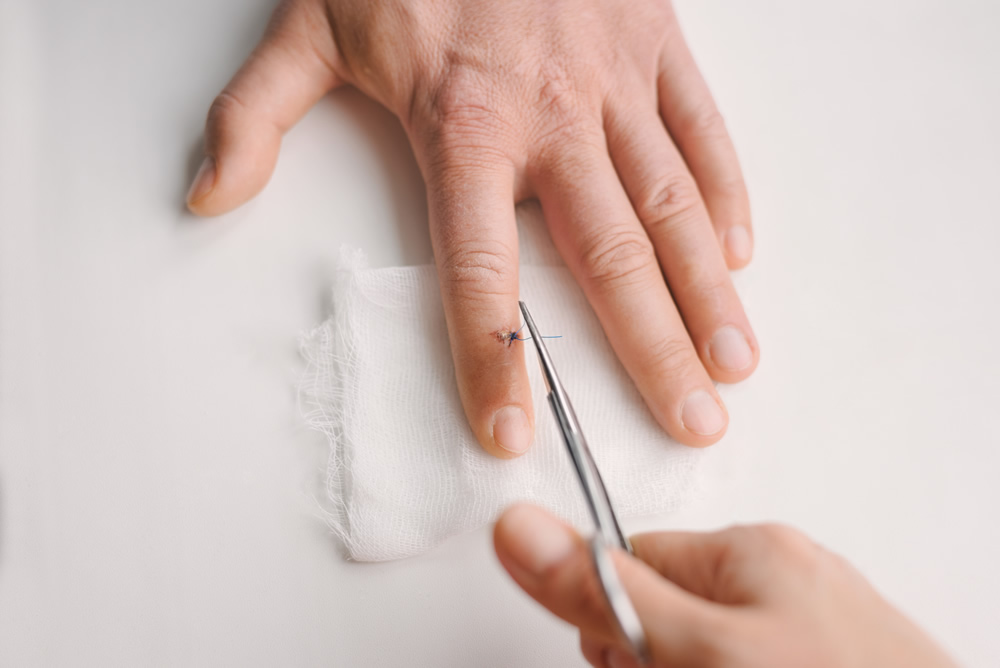
Not every cut or scrape requires stitches. However, sutures are often necessary if:
- A wound is deeper than a quarter inch.
- The edges of the skin do not come together on their own.
- The cut is on the face, hands, or joints where movement may prevent healing.
- There is significant bleeding that does not stop after applying pressure.
- The wound was caused by a sharp object or an accident that created uneven edges.
If you are unsure whether you need stitches, it’s best to seek medical attention right away. Prompt treatment can prevent complications and speed up healing.
Types of Sutures
Absorbable (dissolvable) sutures
These break down naturally in the body, so they don’t need to be removed. They are often used for internal tissues or areas where removal would be difficult.
Non-absorbable sutures
These are placed on the skin’s surface and must be removed once the wound has healed. They are common for visible areas such as the face, arms, or legs.
What to Expect During the Procedure
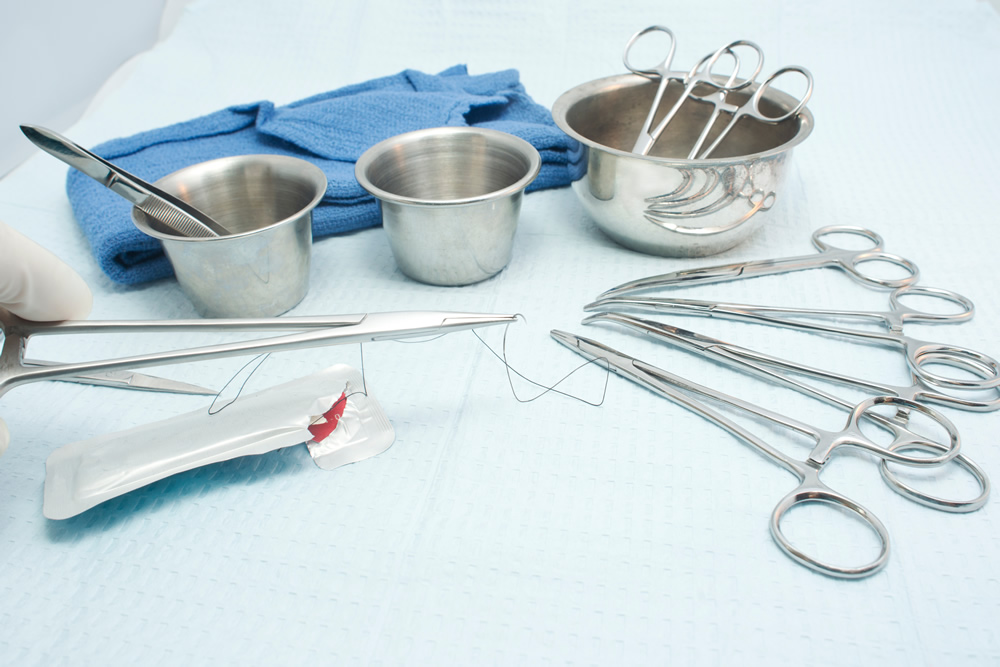
Getting sutures is a straightforward process. Here’s what usually happens:
- The wound is cleaned thoroughly to reduce the risk of infection.
- Local anesthesia may be used to numb the area and keep the patient comfortable.
- The provider carefully places sutures to bring the wound edges together.
- The site is covered with a sterile dressing.
- Aftercare instructions are reviewed before the patient leaves.
The process typically takes less than an hour, depending on the size and complexity of the wound.
Suture Removal and Follow-Up
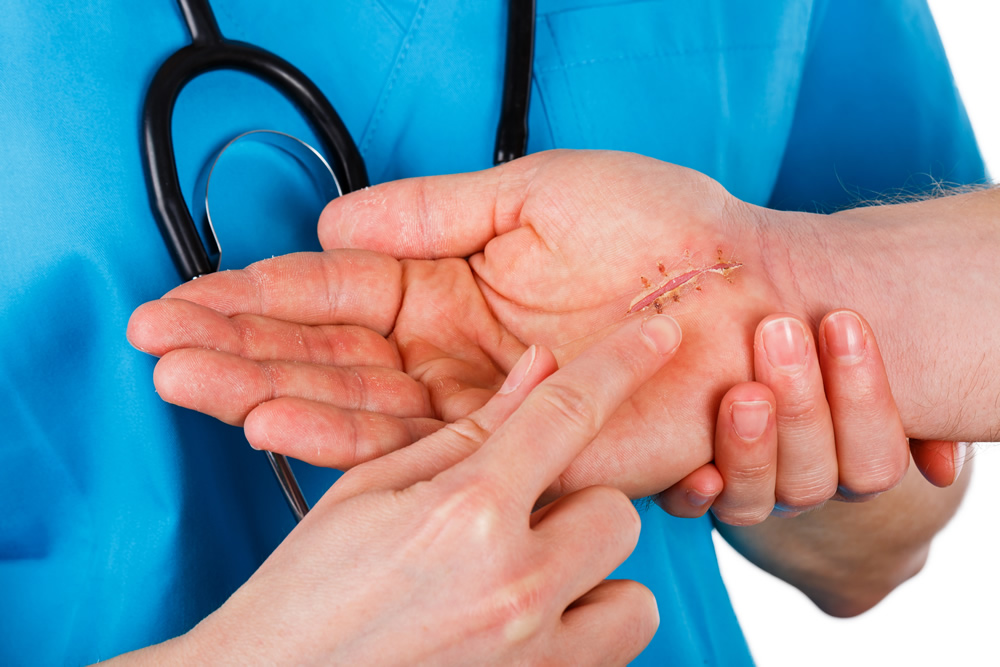
If non-dissolvable sutures are used, they will need to be removed after the wound heals. The timing depends on the location of the stitches—facial sutures may be removed in 5–7 days, while those on larger joints may stay in for up to two weeks.
Follow-up visits are important to check healing progress and prevent complications. Our providers give clear guidance on when to return and what signs to watch for.

Caring for Sutures at Home
Proper aftercare is key to a smooth recovery. Patients are encouraged to:
- Keep the wound clean and dry as directed.
- Avoid picking at scabs or sutures.
- Change dressings if instructed.
- Watch for redness, swelling, or discharge that could signal infection.
- Follow activity restrictions, especially if the wound is on a joint or hand.
If any concerns arise, contacting our office promptly ensures timely care.

Benefits of Getting Sutures in a Primary Care Office

Insurance and Accessibility
Why Choose Us for Sutures?
Choosing the right provider for wound care makes all the difference. Our team is committed to patient-centered care that prioritizes comfort and safety throughout the process. With experienced providers trained in both wound repair and aftercare, patients receive skilled treatment designed to support proper healing. We also focus on minimizing scarring and promoting faster recovery with personalized attention at every step.
Beyond the procedure itself, our staff offers ongoing support, answering questions and providing follow-up guidance so patients and families feel confident during the healing process. Please note that walk-ins are not accepted; appointments are required for suture care.